
Low Competition Keywords with High Traffic: 5 Easy Ways to Find Them in 2026
Low competition keywords with high traffic are the fastest way for new blogs, niche affiliate sites, and content creators to generate thousands of organic organic visitors from search engines without high domain authority.
Table of Contents:
- 1. Understanding Search Intent and Keyword Difficulty Metrics
- 2. Target Specific Long-Tail Modifiers and Questions
- 3. Finding Low Competition Keywords via Manual SERP Gaps
- 4. Leveraging Free Research Tools and Search Console Data
- 5. Building Topical Clusters Around Low Competition Topics
Uncovering high-potential search phrases allows newer websites to bypass heavy competition from established media brands. By focusing on queries where the search engine result page (SERP) contains thin content, forum threads, or outdated information, your blog posts can easily reach page one on Google.
Analyzing actionable techniques for finding low competition keywords with high traffic provides an unfair advantage for digital publishers. Below, we explore five best proven methods for uncovering untapped keyword opportunities.
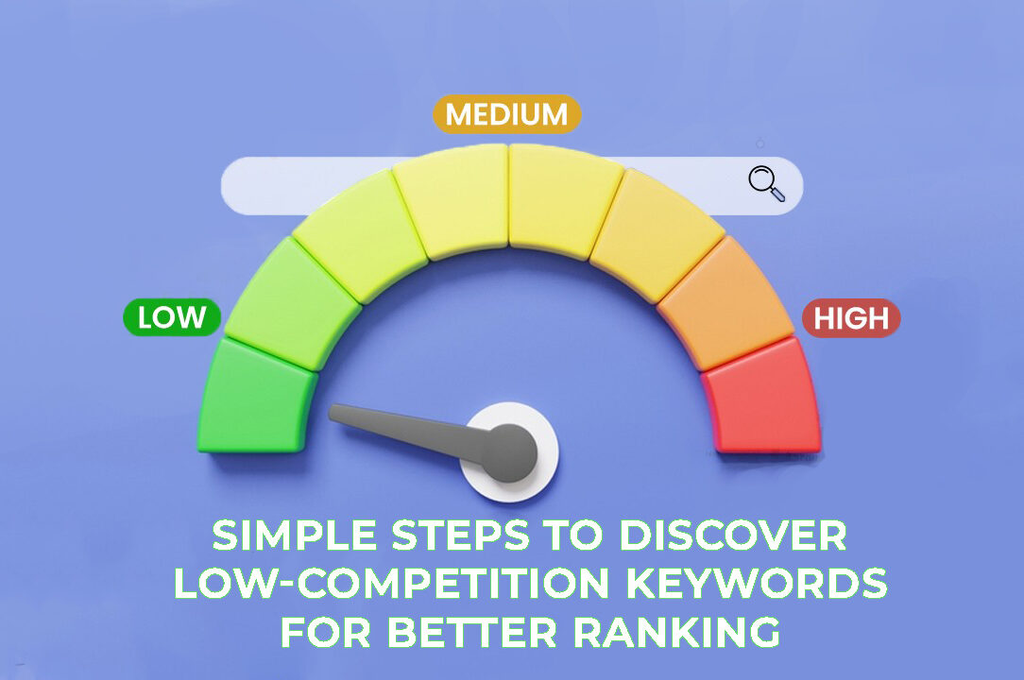
1. Analyzing Search Intent for Low Competition Keywords with High Traffic
Targeting keywords with low competition requires aligning your content format directly with user intent.
- Keyword Difficulty (KD): Focus on keywords with a Keyword Difficulty score under 20 on major SEO tools.
- Match User Intent: Ensure your post matches whether the user wants a quick answer, step-by-step tutorial, or product comparison.
- Click Potential: Evaluate if Google’s AI Overviews or featured snippets leave enough organic click potential for blog links.
To explore free keyword metrics and difficulty scores, use the Ahrefs Free Keyword Generator.
2. Target Specific Long-Tail Modifiers and Questions
Long-tail phrases usually carry much lower competition while attracting visitors with high commercial intent.
- Use Modifiers: Include modifiers like “best for beginners,” “how to set up,” “under $500,” or “step-by-step guide.”
- Question-Based Queries: Filter keyword lists using terms like “how,” “why,” “can you,” and “what is.”
- High Conversion Rates: Target searchers who are ready to take action or make purchasing decisions.
3. Finding Low Competition Keywords via Manual SERP Gaps
Never rely solely on automated keyword difficulty scores; manually inspecting top-ranking search results reveals true ranking potential.
When Google shows Reddit threads, Quora answers, or poorly formatted forum posts on the first page, it signals a content gap that a comprehensive article can easily replace.
4. Leveraging Free Research Tools and Search Console Data
Using free tools like Google Keyword Planner, AnswerThePublic, and Google Search Console helps reveal hidden queries that automated tools miss.
Integrating low-competition keyword strategy directly with your monetization plan maximizes overall blog revenue, as detailed in our guide on How to Start Amazon Affiliate Marketing.
5. Building Topical Clusters Around Low Competition Topics
Publishing interconnected content around a single primary topic signals domain expertise to Google search algorithms.
Creating a series of 5 to 10 low-competition blog posts linked together establishes authority faster than targeting single isolated search terms.
Final Thoughts
Finding low competition keywords with high traffic requires patience, consistent keyword research, and high-quality content execution. By targeting weak SERPs and providing direct, helpful answers, beginner site owners can scale organic web traffic predictably!
Consistently auditing keyword performance ensures publishers continuously spot emerging search trends, capture ranking opportunities, and grow sustainable search traffic month after month.
Advanced Search Engine Optimization and Long-Term Audience Growth
Building long-term organic traffic goes beyond writing isolated articles; it requires optimizing existing content based on user interaction metrics. Monitoring Google Search Console impressions highlights pages ranking on position 8 to 20 that can reach page one with minor on-page optimizations. Adding updated stats, custom graphics, structured FAQ sections, and internal links boosts click-through rates significantly.
Furthermore, structuring your website architecture around clear topical clusters ensures that ranking gains from easy, low-competition articles pass domain authority to your broader target keywords. Consistent updates, page speed performance, and helpful content standards remain the foundation for dominating competitive search niches over time.

Pingback: Best AI Tools for Lesson Planning Free: Top 5 Educator Platforms for 2026