
10 Best Wearable Technology Items Transforming Daily Life in 2026
Exploring the latest wearable technology items is essential for tracking vital biometric data, upgrading daily productivity, and experiencing seamless spatial audio and visual computing.
Table of Contents:
- 1. Next-Generation Sleek Smart Rings
- 2. AI-Integrated Smart Glasses
- 3. Directional Open-Ear Smart Earbuds
- 4. Advanced GPS Endurance Smartwatches
- 5. Screenless Strain and Recovery Bands
- 6. Non-Invasive Continuous Glucose Monitors (CGMs)
- 7. Continuous Lactate Biomarker Sweat Patches
- 8. Biomechanical Pressure-Sensing Smart Insoles
- 9. Motorized Active Assistive Exoskeletons
- 10. Haptic Feedback Smart Jackets
Rapid innovation in miniaturized microchips and artificial intelligence has elevated personal electronic devices into indispensable health and lifestyle assistants. Beyond counting steps, modern wearables deliver real-time physiological feedback and hands-free computing.
Adopting wearable technology items enables athletes, remote professionals, and health-conscious consumers to streamline daily routines. Below, we review ten best breakthrough devices leading consumer technology today.
1. Next-Generation Sleek Smart Rings for Wearable Technology
Smart rings have emerged as the premier choice for discreet health tracking, offering continuous monitoring without the distraction of a wrist screen.
- 24/7 Sleep and Recovery Monitoring: Tracks heart rate variability (HRV), skin temperature, and sleep cycles to generate daily readiness scores.
- Lightweight Ergonomics: Crafted from durable titanium, allowing comfortable multi-day wear through sleep and strenuous activities.
- Subscription-Free Insights: Provides detailed biometric reports directly to smartphone dashboards.
For official updates on international health device standards and consumer electronics guidance, visit the IEEE.

2. AI-Integrated Smart Glasses
Modern smart glasses blend regular eyewear aesthetics with built-in micro-cameras, microphones, and open-ear speakers. Powered by conversational AI, these frames allow users to ask questions, transcribe real-time conversations, translate foreign languages, and capture hands-free visual media.

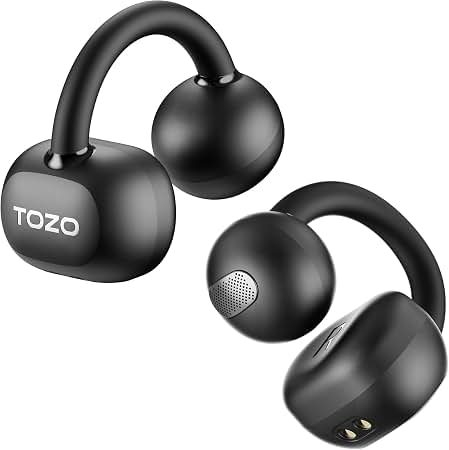
3. Directional Open-Ear Smart Earbuds
Open-ear audio wearables utilize directional sound tech to deliver high-fidelity spatial music without blocking the ear canal.
- All-Day Ergonomic Comfort: Eliminates ear canal fatigue during back-to-back phone calls and long workout sessions.
- Situational Awareness: Allows outdoor runners and commuters to remain completely aware of ambient surroundings and traffic.
- Biometric Integration: Modern ear-hook designs now incorporate continuous heart rate and core body temperature sensors.
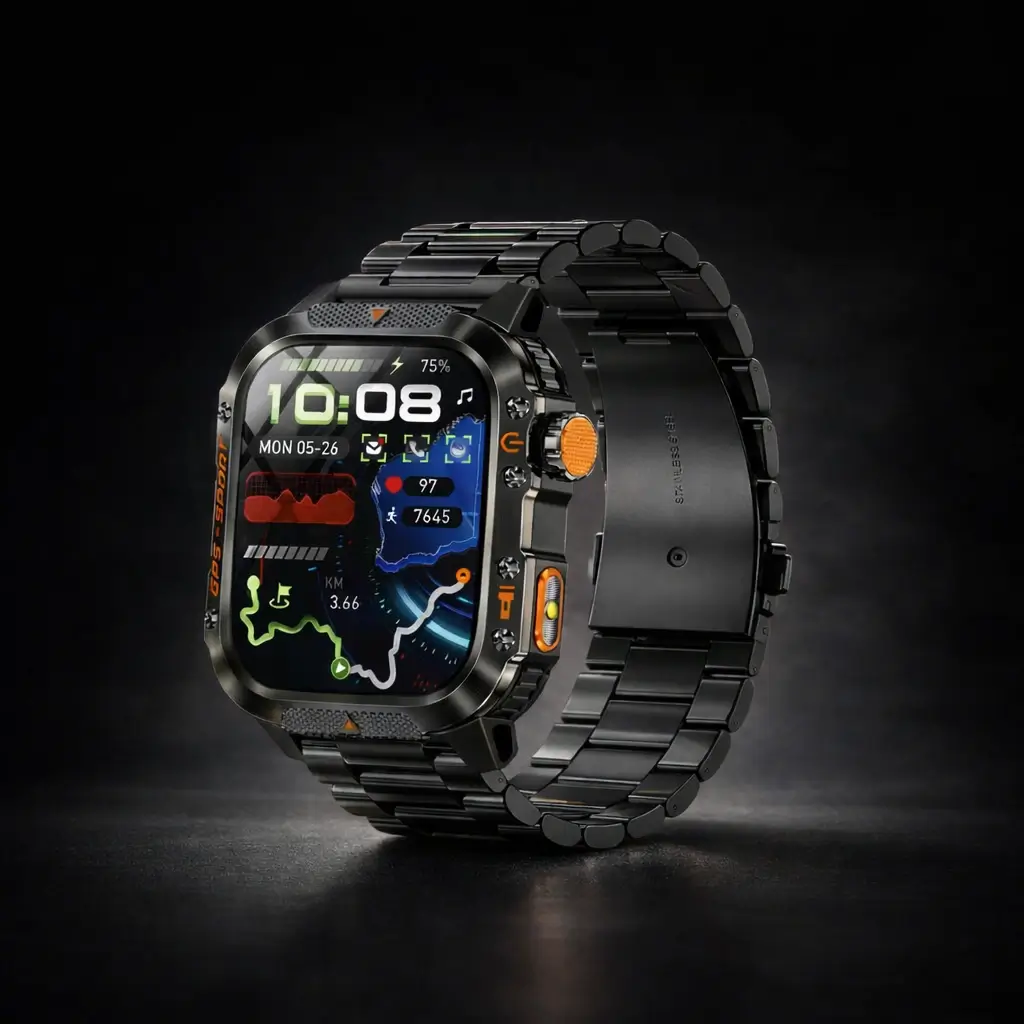
4. Advanced GPS Endurance Smartwatches
Equipped with multi-band satellite connectivity, solar-assisted batteries, and rugged casing, high-performance smartwatches cater to endurance athletes and outdoor adventurers. They provide real-time mapping, ECG health diagnostics, and training load analytics.
5. Screenless Strain and Recovery Bands
Screenless fitness bands focus purely on physiological data collection without the constant distraction of incoming smartphone notifications. Worn on the wrist or forearm, these devices track physical exertion, nervous system stress, and sleep debt.

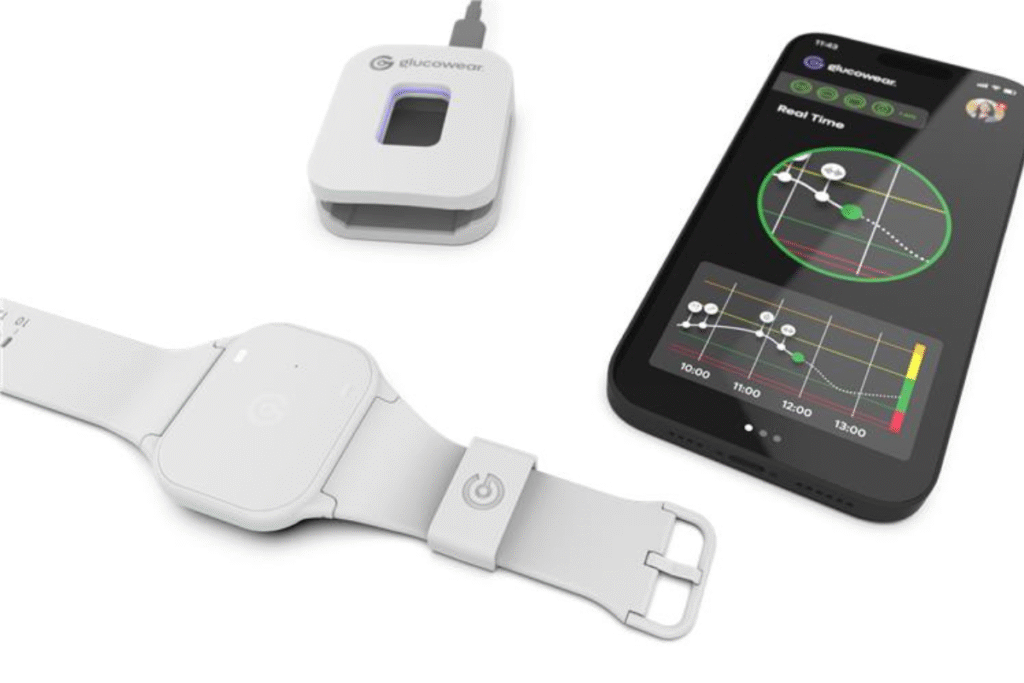
6. Non-Invasive Continuous Glucose Monitors (CGMs)
Continuous glucose monitoring has expanded from diabetes care into general metabolic wellness. Modern CGMs offer non-invasive biosensing, allowing users to track real-time blood sugar responses to meal choices and exercise routines.
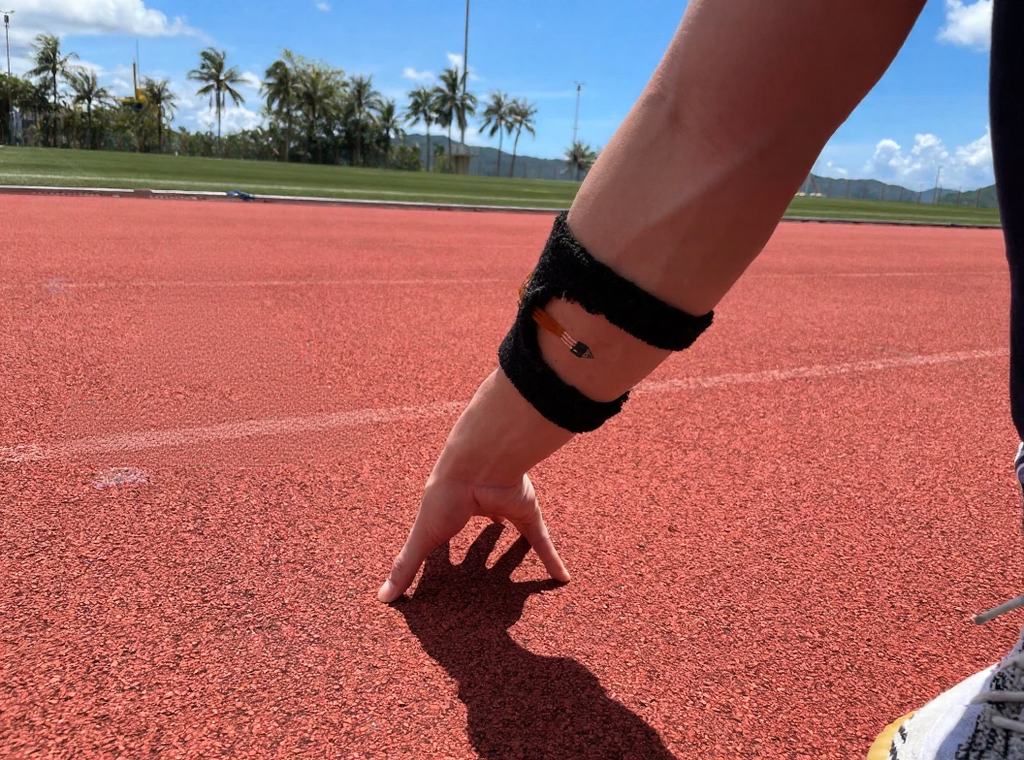
7. Continuous Lactate Biomarker Sweat Patches
Designed for endurance athletes, flexible sweat patches analyze real-time sweat composition during exercise. By measuring lactate levels and hydration loss, these patches indicate metabolic fatigue thresholds to optimize sports performance.
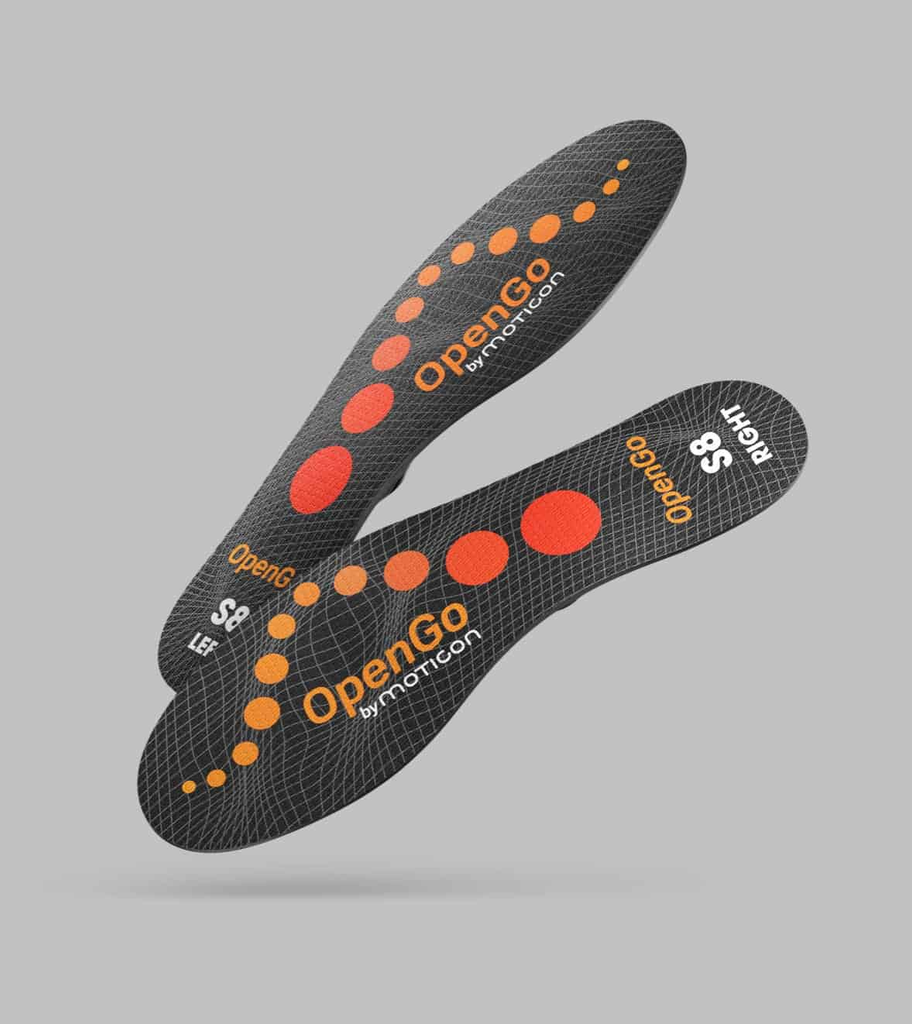
8. Biomechanical Pressure-Sensing Smart Insoles
Placed inside running shoes or athletic footwear, smart insoles utilize embedded force sensors to measure gait symmetry, impact force, and foot strike mechanics, helping athletes reduce injury risks and refine running technique.
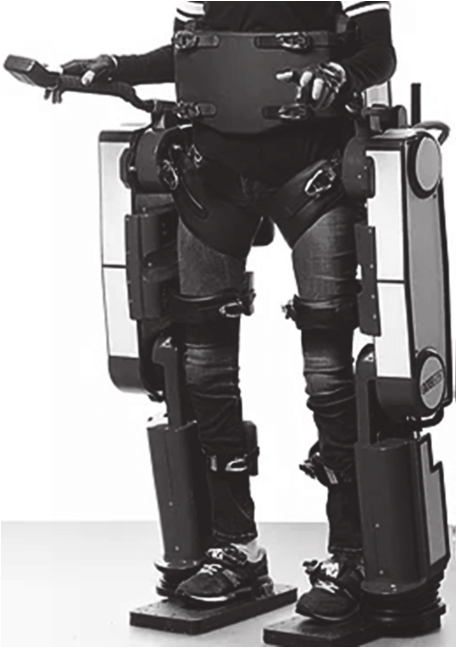
9. Motorized Active Assistive Exoskeletons
Biomechanical leg exoskeletons provide motorized assistance to lower-body joints. Constructed from lightweight carbon fiber, these wearable frames reduce knee strain and muscular fatigue for hikers and workers carrying heavy loads.
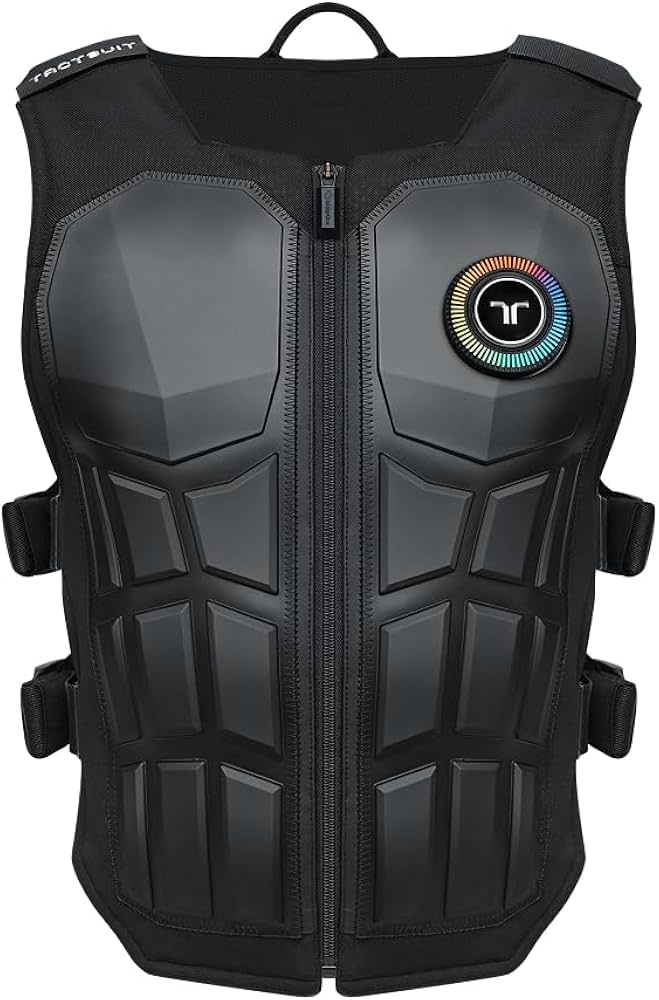
10. Haptic Feedback Smart Jackets
Apparel integrated with conductive threads and miniature haptic motors delivers subtle vibration prompts for turn-by-turn navigation, incoming notifications, and immersive virtual reality experiences.
Final Thoughts
Integrating top choices in wearable technology items enhances fitness routines, productivity, and personal health tracking. By selecting the right devices for your everyday needs, you can build an interconnected, future-proof health ecosystem!
Consistently staying informed on wearable technology innovations ensures you leverage cuting-edge biometrics to optimize your daily wellbeing.
Building an Integrated Wearable Ecosystem
Maximizing the benefits of wearable devices requires creating a unified health and productivity ecosystem. Pairing smart rings for overnight sleep tracking with dedicated GPS watches for intense athletic training ensures seamless biometric coverage across all activities.
Prioritizing privacy settings, reviewing app permissions, and utilizing open health data formats allows users to retain complete control over their personal health metrics while enjoying seamless cross-platform syncing.