Water Reserves Severe Downfall Solutions: 5 Urgent Actions for Global Security
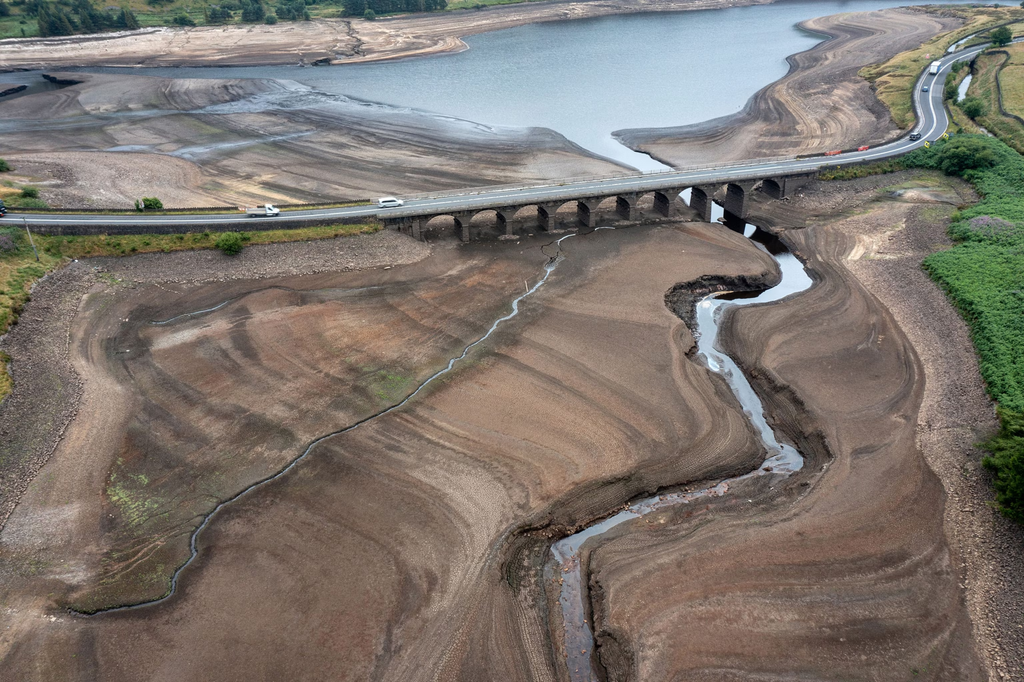
Water reserves severe downfall solutions are urgently needed as dwindling reservoir levels and depleted aquifers threaten global food supplies, municipal water systems, and industrial operations.
Table of Contents:
- 1. Managed Aquifer Recharge and Groundwater Replenishment
- 2. AI-Driven Agricultural and Smart Irrigation Systems
- 3. Advanced Desalination and Wastewater Recycling Technologies
- 4. International Resource Policy and Watershed Governance
- 5. Urban Rainwater Harvesting and Leak Detection Infrastructure
Accelerating climate shifts, over-extraction, and prolonged droughts have pushed freshwater ecosystems into critical decline worldwide. Addressing the global drop in river basins and underground water tables requires coordinated infrastructure investments, technological upgrades, and strict regulatory frameworks.
Evaluating practical water reserves severe downfall solutions provides actionable strategies for municipal planners, agricultural leaders, and environmental policymakers. Below, we examine five best essential strategies driving international water sustainability.
1. Managed Aquifer Recharge for Water Reserves Severe Downfall Solutions
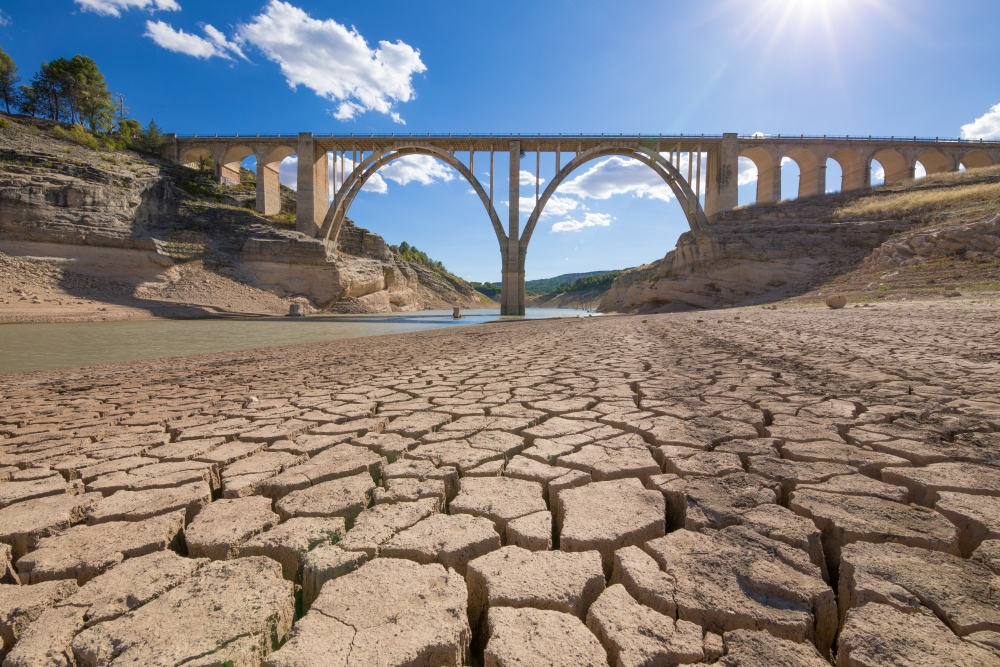
Replenishing over-pumped underground water aquifers through managed artificial recharge helps restore natural storage buffers against severe seasonal droughts.
- Infiltration Basins: Constructing dedicated recharge ponds allows surface runoff to naturally filter down into underlying groundwater tables.
- Direct Injection Wells: Utilizing injection technology channels treated storm water directly into deep depleted confined aquifers.
- Wetland Restoration: Rebuilding natural wetlands retains seasonal floodwaters, improving natural groundwater recharge rates across rural regions.
To review official statistical models and global freshwater management benchmarks, consult open reports provided by UN-Water.
2. AI-Driven Agricultural and Smart Irrigation Systems
Agricultural water consumption accounts for roughly 70 percent of global freshwater extractions, making irrigation efficiency crucial for conservation.
- Precision Drip Networks: Delivering targeted water directly to plant roots eliminates evaporation loss compared to traditional sprayers.
- Soil Moisture Sensors: Deploying real-time IoT sensors prevents over-watering by monitoring exact moisture needs across farm acreage.
- Automated Drones: Utilizing thermal imaging technology identifies crop stress early, optimizing irrigation schedules field by field.
3. Advanced Desalination and Wastewater Recycling Technologies
Scaling up non-conventional water sources helps relieve pressure on natural rivers and declining freshwater reservoirs.
Modern reverse osmosis plants and closed-loop industrial wastewater treatment facilities allow municipal networks and factories to recover up to 90 percent of process water, shielding communities from freshwater shortages.
4. International Resource Policy and Watershed Governance
Securing river basins requires robust legislative oversight and cross-border cooperation. Effective environmental protection policies rely heavily on how national governments implement sustainable resource guidelines and engage civic participation.
Understanding how environmental regulations gain public support connects directly with broader climate initiatives, as detailed in our analysis on Global Warming Alert Solutions.
5. Urban Rainwater Harvesting and Leak Detection Infrastructure
Aging municipal water pipes lose millions of gallons daily due to undetected underground structural leaks. Installing acoustic sensor networks and automated leak detection algorithms allows cities to repair distribution lines instantly.
Furthermore, integrating mandatory rainwater collection systems in commercial developments offsets municipal demand for landscaping and utility operations.
Final Thoughts
Implementing scalable water reserves severe downfall solutions is paramount for protecting municipal drinking supplies, maintaining agricultural stability, and securing ecological resilience. Combining smart technology, wastewater recovery, and proactive aquifer management equips communities to withstand unpredictable climate extremes!
Consistently staying informed about regional conservation programs empowers individuals, agricultural producers, and businesses to champion low-carbon, water-efficient practices within their communities.
Building Sustainable Infrastructure for Future Water Security
Overcoming global freshwater depletion demands long-term commitments to sustainable urban design, smart utility monitoring, and modern agricultural engineering. Integrating permeable urban pavements, expanding green infrastructure, and upgrading municipal treatment facilities significantly reduces water stress across rapidly growing cities.
Ultimately, preventing severe water scarcity requires unified collaboration between government agencies, private sector leaders, and local communities. Investing in efficient water management today ensures equitable, resilient water access for generations to come. TIMESFAME