
Global Warming Alert Solutions: 5 Urgent Actions to Fight Rising Temperatures
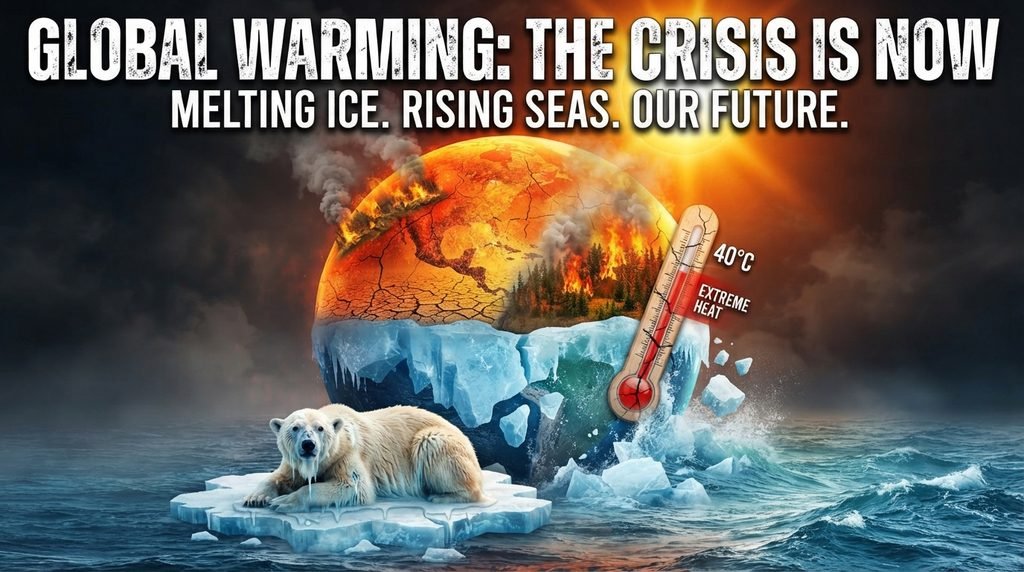
Global warming alert solutions are critical as rising global temperatures threaten biodiversity, polar ice stability, and global weather predictability.
Table of Contents:
- 1. Rapid Transition to Clean and Renewable Energy Grids
- 2. Industrial Decarbonization and Carbon Capture Technology
- 3. Reforestation Projects and Ecosystem Conservation
- 4. International Policy Alignment and Climate Legislation
- 5. Sustainable Agricultural Operations and Waste Reduction
Accelerating environmental changes across the globe present significant challenges for urban infrastructure, agricultural yields, and coastal ecosystem stability. Addressing these escalating risks requires coordinated international frameworks, private sector innovation, and localized community adaptation strategies.
Evaluating effective global warming alert solutions provides vital clarity on how technological, economic, and policy shifts can mitigate climate risks. Below, we examine five best critical initiatives transforming global climate action.
1. Rapid Transition to Clean Energy Grids for Global Warming Alert Solutions
Replacing fossil fuels with solar, wind, and geothermal energy remains the single most impactful strategy to lower global carbon emissions.
- Grid Modernization: Upgrading transmission networks enables efficient distribution of clean electricity across metropolitan areas.
- Battery Storage Expansion: Large-scale energy storage systems stabilize renewable energy availability during non-peak generation hours.
- Electrification of Transport: Transitioning commercial fleets and passenger vehicles to electric power drastically decreases urban emissions.
To access scientific reports and policy findings on international temperature benchmarks, review environmental guidelines published by the UN Environment Programme (UNEP).
2. Industrial Decarbonization and Carbon Capture Technology
Heavy industries such as manufacturing, steel production, and chemical processing account for a major share of total greenhouse gas output.
- Direct Air Capture: Emerging carbon capture systems extract carbon dioxide directly from ambient atmosphere for permanent geological storage.
- Green Hydrogen Integration: Substituting hydrogen fuel for high-heat manufacturing processes reduces industrial reliance on natural gas.
- Energy Efficiency Upgrades: Implementing automated heating and cooling controls reduces waste across industrial facilities.
3. Reforestation Projects and Ecosystem Conservation
Protecting natural carbon sinks—such as tropical rainforests, mangroves, and peatlands—is essential for capturing atmospheric carbon.
Widespread reforestation efforts, combined with strict anti-deforestation enforcement, help preserve natural biodiversity while mitigating severe weather patterns.
4. International Policy Alignment and Climate Legislation
Effective environmental governance relies heavily on proactive legislative reform and civic engagement. Public support for sustainable infrastructure initiatives often depends on how democratic institutions communicate environmental standards and regulatory policies.
Understanding how environmental regulations gain civic support connects directly with voting trends, as detailed in our guide on New Policies on Voter Behavior.
5. Sustainable Agricultural Operations and Waste Reduction
Agricultural sectors are implementing regenerative farming practices, precise irrigation management, and organic soil enhancement to reduce methane and nitrous oxide emissions.
Furthermore, minimizing global food supply chain waste prevents unnecessary resource depletion, lowering land use pressure globally.
Final Thoughts
Implementing proactive global warming alert solutions is essential for maintaining global climate balance, preserving vulnerable ecosystems, and securing stable economic foundations for upcoming generations. By combining scalable renewable technology, international policy compliance, and ecosystem restoration, societies can build resilient infrastructure against climate extremes!
Consistently staying informed about environmental conservation initiatives allows individuals, businesses, and policymakers to champion sustainable, low-carbon initiatives within their communities.
Building Long-Term Climate Resilience in Local Communities
Preparing urban environments for unpredictable climate variations requires integrating sustainable architectural design and localized eco-friendly infrastructure. Expanding urban green canopies, installing permeable rainwater drainage systems, and enforcing energy-efficient building standards significantly reduce heat island effects in densely populated cities.
Ultimately, long-term climate stability requires collaborative engagement between government bodies, technological innovators, and local communities. Investing in sustainable technologies today ensures healthier, more resilient ecosystems and vibrant economies across the globe for future generations.