
New Policies on Voter Behavior: 5 Critical Impacts on Modern Elections
New policies on voter behavior shape democratic participation, altering voter turnout rates, registration requirements, and election day logistics.
Table of Contents:
- 1. Voter Identification Laws and Turnout Demographics
- 2. Early and Mail-In Voting Policy Expansion
- 3. Automatic Voter Registration Systems
- 4. Redistricting and Electoral Map Adjustments
- 5. Digital Campaigning and Voter Mobilization Technology
Electoral policy modifications play a decisive role in defining how citizens interact with democratic systems. When state or federal legislatures pass legislative updates regarding polling place access, ballot verification, or registration timelines, voter engagement patterns shift across diverse demographics.
Understanding new policies on voter behavior provides valuable insights for political analysts, campaign strategists, and voters navigating modern election cycles. Below, we examine five best critical ways legislative reforms transform election participation.
1. Voter Identification Laws for New Policies on Voter Behavior
Strict photo identification requirements represent one of the most frequently debated policy shifts in contemporary electoral law.
- Documentation Requirements: Mandatory government-issued photo IDs alter participation rates among younger voters, low-income citizens, and mobile populations.
- Poll Worker Training: Clear administrative guidelines ensure uniform application of ID laws across various polling precincts.
- Provisional Balloting: Policies allowing provisional ballots ensure citizens can cast votes while resolving identity verification questions later.
To explore nonpartisan demographic research and voting statistics, review public policy studies from Pew Research Center.
2. Early and Mail-In Voting Policy Expansion
Expanding absentee and no-excuse mail-in voting options fundamentally alters traditional election day routines.
- Convenience and Participation: Offering flexible voting windows increases overall ballot submission rates, particularly among working parents and elderly citizens.
- Secure Drop Boxes: Installing monitored ballot drop locations provides reliable alternatives to postal services during peak election periods.
- Processing Timelines: Policy variations regarding early ballot counting influence when unofficial election results can be declared.
3. Automatic Voter Registration Systems
Automatic Voter Registration (AVR) seamlessly registers eligible citizens when they interact with state agencies like the Department of Motor Vehicles (DMV).
By removing manual paperwork hurdles, AVR significantly expands state voter rolls, encouraging higher participation rates among young adults turning 18.
4. Redistricting and Electoral Map Adjustments
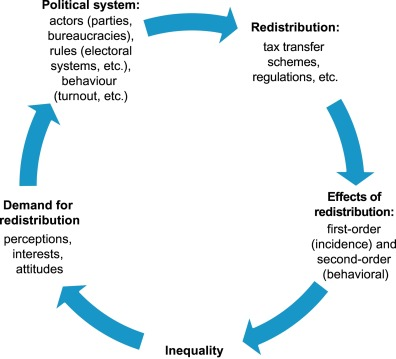
Decennial census updates lead to legislative boundary adjustments that redefine congressional and state voting districts. These policy changes influence competitive balances, candidate strategies, and community representation in national assemblies.
Analyzing shifting electoral regulations connects directly with historical political developments, as detailed in our analysis on How 911 Shaped Modern Politics.
5. Digital Campaigning and Voter Mobilization Technology
Legislative updates surrounding campaign finance disclosure and digital communication regulations influence how political parties reach voters. Modern campaigns utilize data analytics and targeted SMS messaging to educate voters on changing polling hours and registration deadlines.
Final Thoughts
Analyzing new policies on voter behavior highlights the direct relationship between voting legislation, citizen turnout, and democratic representation. Understanding these policy shifts allows voters and civic organizations to ensure broad, fair participation in every election cycle!
Consistently staying informed about local election laws guarantees your voice remains heard during upcoming local, state, and national contests.
The Role of Civic Education in Modern Electoral Integrity
Clear civic communication is essential whenever election laws and voting procedures undergo major legislative changes. Misinformation regarding polling locations, mail-in deadlines, or voter ID requirements can inadvertently disenfranchise eligible voters.
Nonpartisan voter outreach programs, clear official election websites, and community educational drives bridge the gap between complex legal policies and everyday citizens. Fostering transparent electoral systems ensures healthy democratic engagement across all communities for generations to come.
Final Thoughts
Analyzing new policies on voter behavior highlights the direct relationship between voting legislation, citizen turnout, and democratic representation. Understanding these policy shifts allows voters, community advocates, and civic organizations to ensure broad, fair, and accessible participation in every election cycle!
Consistently staying informed about local election laws, polling requirements, and registration timelines guarantees your voice remains heard during upcoming local, state, and national contests.
The Role of Civic Education and Technological Innovation in Modern Electoral Integrity
Clear civic communication and public outreach are essential whenever election laws, district lines, and voting procedures undergo legislative changes. Misinformation or confusion regarding polling locations, mail-in ballot deadlines, or voter identification requirements can inadvertently disenfranchise eligible citizens across diverse communities.
Nonpartisan voter outreach initiatives, transparent government election portals, and digital educational tools bridge the critical gap between complex legal policies and everyday voters. As modern technology continues transforming campaign strategies and voter registration systems, fostering accessible, transparent electoral processes ensures robust democratic engagement, high voter turnout, and electoral integrity for generations to come.