
Fibermaxxing: What It Is, Benefits, Risks & How to Do It Safely
You’ve probably seen it on TikTok and Instagram: fibermaxxing. It’s the latest wellness trend, and food brands are already racing to put more fiber into snacks, drinks, and breads. But is it worth the hype? This guide explains what fibermaxxing is, its benefits, the best high-fiber foods, and how to try it without stomach trouble.
What Is Fibermaxxing?
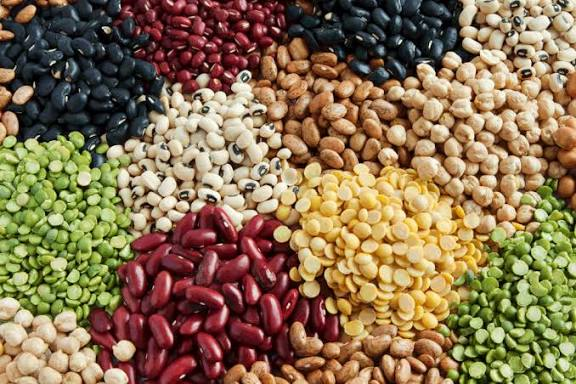
Fibermaxxing means intentionally eating more fiber than you normally would, mostly from whole foods like fruits, vegetables, beans, whole grains, nuts, and seeds. The trend took off as people became more interested in gut health, and many grocery trend reports now point to fiber as the next “it” ingredient.
The idea is simple. Most adults don’t eat enough fiber, so fibermaxxing is about closing that gap. Many health authorities suggest roughly 25 to 38 grams a day for adults, while many people get closer to 15 grams.
Why Is Fibermaxxing Trending?
- Gut health is mainstream. People now know the gut affects digestion, energy, and overall wellness.
- Social media loves a simple challenge. “Eat more fiber” is easy to understand and easy to film.
- Food brands are jumping in. Fiber-added snacks and gut-friendly drinks are filling store shelves.
- Weight management interest. Fiber helps you feel full, which appeals to anyone eating more mindfully.
7 Benefits of Fibermaxxing
1. Better Digestion
Fiber adds bulk and helps keep bowel movements regular, which can ease constipation.
2. A Healthier Gut Microbiome
Certain fibers act as prebiotics, feeding the good bacteria in your gut.
3. Feeling Full Longer
Fiber slows digestion, so you stay satisfied after meals. This can help with weight management as part of a balanced diet.
4. Steadier Blood Sugar
Fiber slows how fast sugar enters your bloodstream, which helps avoid sharp spikes and crashes.
5. Heart Health Support
Soluble fiber, found in oats, beans, and fruit, is linked to healthier cholesterol levels.
6. Fewer Cravings
Meals rich in fiber and protein tend to keep hunger in check between meals.
7. Easy to Do With Real Food
You don’t need powders or supplements. Plenty of everyday foods do the job.
Best High-Fiber Foods for Fibermaxxing
| Food | Why it helps |
|---|---|
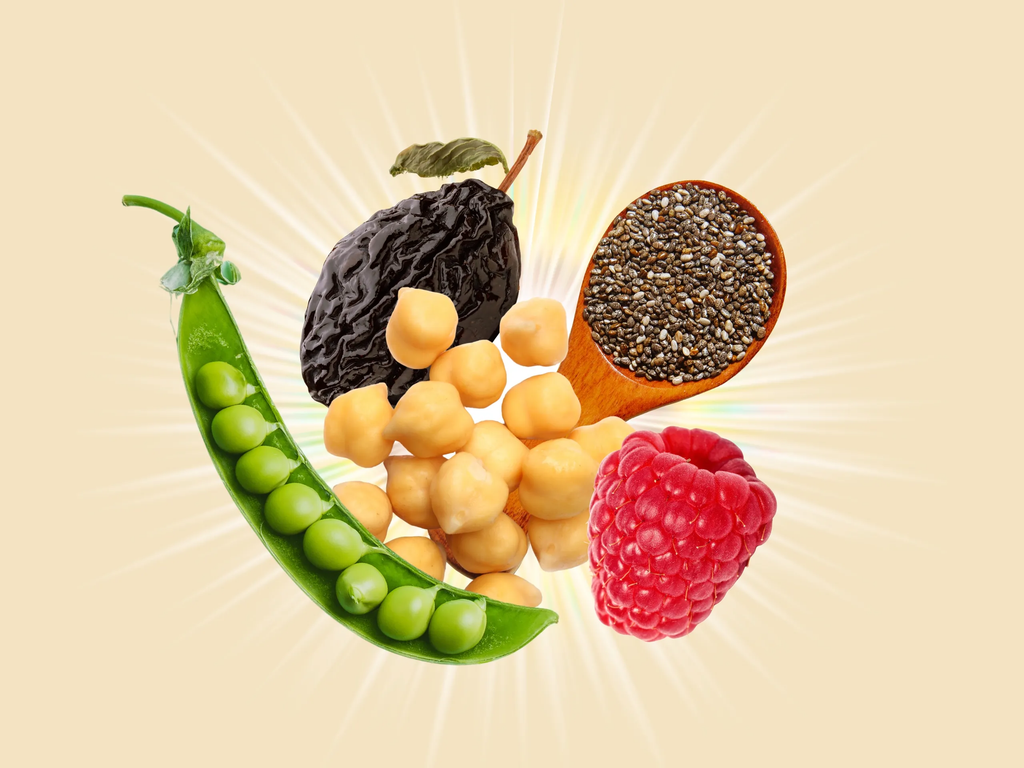
| Lentils, chickpeas, black beans | Among the highest-fiber foods per serving |
| Oats | Rich in soluble fiber (beta-glucan) |
| Chia and flax seeds | Easy to add to yogurt and smoothies |
| Raspberries, pears, apples | High-fiber fruits, best eaten with the skin |
| Broccoli, carrots, Brussels sprouts | Fiber plus vitamins |
| Whole grains and quinoa | Better than refined grains |
| Dragon fruit | Tasty, hydrating, and a good fiber source |
Dragon fruit is a smart, sweet way to add fiber, and it works well in smoothie bowls. Read more in our guide to the benefits of dragon fruit.
How to Start Fibermaxxing the Right Way
- Go slowly. Add 3 to 5 grams of fiber more each week instead of jumping up overnight.
- Drink more water. Fiber needs fluid to move through your system comfortably.
- Spread it out. Include some fiber at every meal and snack.
- Choose whole foods first. They give you vitamins and minerals, not just fiber.
- Mix fiber types. Aim for both soluble (oats, beans, fruit) and insoluble (whole grains, vegetables).
Fibermaxxing Side Effects and Risks
Too much fiber too fast can cause:
- Bloating and gas
- Stomach cramps
- Loose stools or constipation (if you don’t drink enough water)
Take extra care if you have a digestive condition such as IBS or Crohn’s disease, and talk to your doctor before making big changes. Also note that very high fiber intake can interfere with the absorption of some minerals and medications.
Want the bigger picture on where nutrition is heading? See this Whole Foods Market trend report summary, which highlights fiber and gut health.
Frequently Asked Questions
What is fibermaxxing?
It’s the trend of deliberately eating more fiber, mainly from whole foods, to support gut health, fullness, and overall wellness.
How much fiber should I eat per day?
Most guidelines suggest roughly 25 to 38 grams daily for adults, depending on age and sex. Your doctor can advise what’s right for you.
Is fibermaxxing good for weight loss?
Fiber can help you feel full, which may support weight loss as part of a healthy diet. It isn’t a magic solution on its own.
Can you eat too much fiber?
Yes. Too much too quickly can cause bloating, gas, and cramps. Increase gradually and drink plenty of water.
Do I need fiber supplements?
Most people can reach their goal with food. Supplements may help some people, but check with a healthcare professional first.
Final Thoughts
Fibermaxxing is a trend worth trying, as long as you do it gradually and with real food. Start by adding one high-fiber item to each meal, like berries at breakfast, beans at lunch, and veggies at dinner, and drink plenty of water as you go.
Disclaimer: This article is for general information only and isn’t medical advice. Consult a healthcare professional before changing your diet, especially if you have a medical condition. Back to TimesFame

Pingback: Junk Food: Why It’s Bad for You, Health Risks & 12 Healthy Swaps