Back Pain Exercise Disk Bulge: 5 Safe Movement Protocols for Spinal Relief
Back pain exercise disk bulge routines provide effective physical therapy protocols to reduce nerve compression, stabilize core muscles, and promote spinal alignment.
Table of Contents:
- 1. McKenzie Extension Exercises for Disc Centralization
- 2. Bird-Dog and Core Stabilization Drills
- 3. Glute Bridges for Pelvic Alignment
- 4. Gentle Decompression and Nerve Gliding Movements
- 5. Daily Ergonomic Adjustments for Spinal Protection
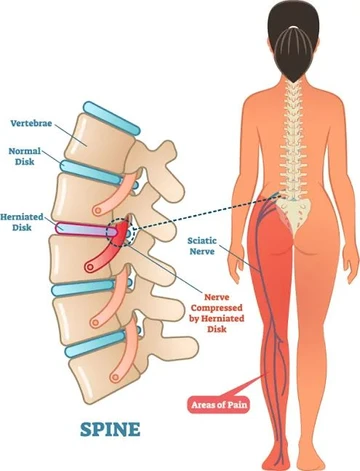
Dealing with bulging or herniated lumbar discs can cause sharp lower back discomfort, sciatica, and restricted mobility. While severe spinal conditions require professional medical evaluation, controlled therapeutic movements play a crucial role in centralizing disc material and relieving pressure on spinal nerves.
Integrating targeted back pain exercise disk bulge routines into your daily physical recovery plan strengthens surrounding core musculature, preventing future flare-ups. Below, we examine five best physical therapy movements designed to restore spinal comfort.
1. McKenzie Extension Exercises for Back Pain Exercise Disk Bulge Relief
Prone press-ups, foundational to the McKenzie Method, help shift bulging disc material away from sensitive spinal nerves.
- Execution: Lie face down on a comfortable mat, resting on your forearms. Slowly press through your palms to extend your upper back while keeping your hips relaxed on the floor.
- Frequency: Hold the extension gently for 2–3 seconds and repeat for 10 controlled reps, 2 to 3 times daily.
- Caution: Avoid any movement that causes pain to radiate further down into your glutes or legs.
To review clinical guidance on herniated disc diagnosis and rehabilitation safety, explore resources from The Mayo Clinic.
2. Bird-Dog and Core Stabilization Drills
Building deep core stability supports the lumbar spine without causing flexion strain on intervertebral discs.
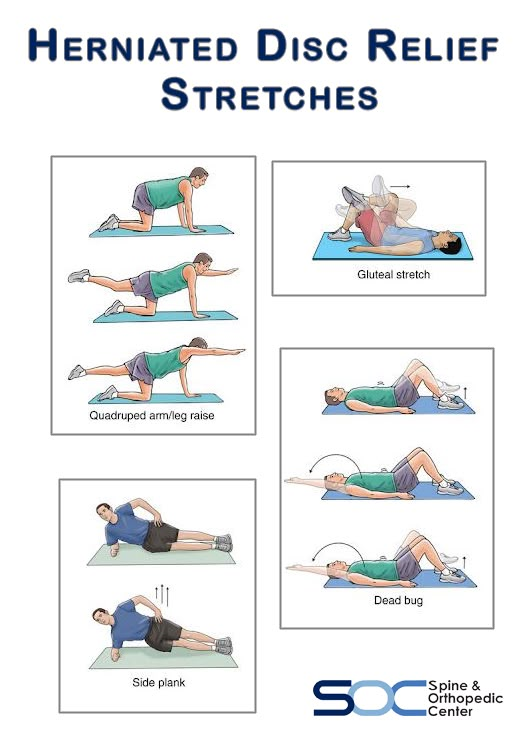
- Starting Position: Begin on hands and knees in a tabletop position with a neutral spine.
- Movement: Slowly extend your right arm forward and left leg backward until parallel to the floor, maintaining hips square.
- Core Activation: Pause for 2 seconds at full extension before returning to tabletop, alternating sides for 10 reps per side.
3. Glute Bridges for Pelvic Alignment
Weak gluteal muscles often force the lower back to compensate during daily standing and walking activities.
Performing pelvic glute bridges strengthens posterior chain muscles, alleviating unnecessary shear forces on the lumbar spine. Keep your abdominal muscles braced throughout the motion to avoid arching the lower back excessively.
4. Gentle Decompression and Nerve Gliding Movements
Spinal decompression relieves intra-discal pressure, allowing nutrients and oxygen to reach healing connective tissues.
Hanging lightly from a pull-up bar or performing supported cat-cow stretches gently elongates vertebrae. Prioritizing physical wellness and proper circulation works hand in hand with holistic body care, as explored in our guide on Hair Loss Remedies.
5. Daily Ergonomic Adjustments for Spinal Protection
Physical exercise yields the best results when paired with proper ergonomics. Avoid prolonged slouching, use lumbar support cushions, and take regular standing breaks every 30 minutes to reduce static pressure on lower back discs.

Final Thoughts
Implementing a targeted back pain exercise disk bulge program helps relieve nerve discomfort, improve spinal stability, and foster long-term functional mobility. By listening to your body and performing controlled, low-impact movements, you empower your spine to heal naturally!
Consistently monitoring your pain levels and consulting certified physical therapists ensures your rehabilitation routine remains safe and effective over time.
The Role of Active Physical Therapy in Lower Back Recovery
Modern physical therapy emphasizes active movement over passive bed rest for bulging disc recovery. Gentle, progressive exercise stimulates blood flow to spinal ligaments, reduces tissue inflammation, and maintains flexible range of motion.
Combining low-impact aerobic walking with targeted spinal stabilization exercises creates an ideal environment for long-term back health. Embracing proactive spinal care enables individuals to return to active, pain-free daily living safely.