7 Best Secrets to a Healthy GLP-1 Diet Strategy
The landscape of modern health, weight management, and nutrition has experienced a massive paradigm shift. With the widespread adoption of GLP-1 receptor agonists, millions of individuals are achieving unprecedented metabolic success. However, relying solely on appetite suppression without an intentional nutrition plan can lead to unintended consequences, including muscle loss, nutrient deficiencies, and digestive discomfort.
Developing a structured GLP-1 diet strategy is crucial for ensuring that weight reduction comes from fat stores rather than lean muscle tissue. Below, we explore seven best evidence-based principles to maximize your health, boost metabolic longevity, and fuel your body effectively while on a GLP-1 journey.

1. Prioritize High-Quality Protein at Every Meal GLP-1 Diet Strategy
When caloric intake drops sharply, the human body naturally breaks down both fat and muscle tissue for energy. Preserving lean muscle mass is vital for maintaining a robust resting metabolic rate and long-term functional strength.
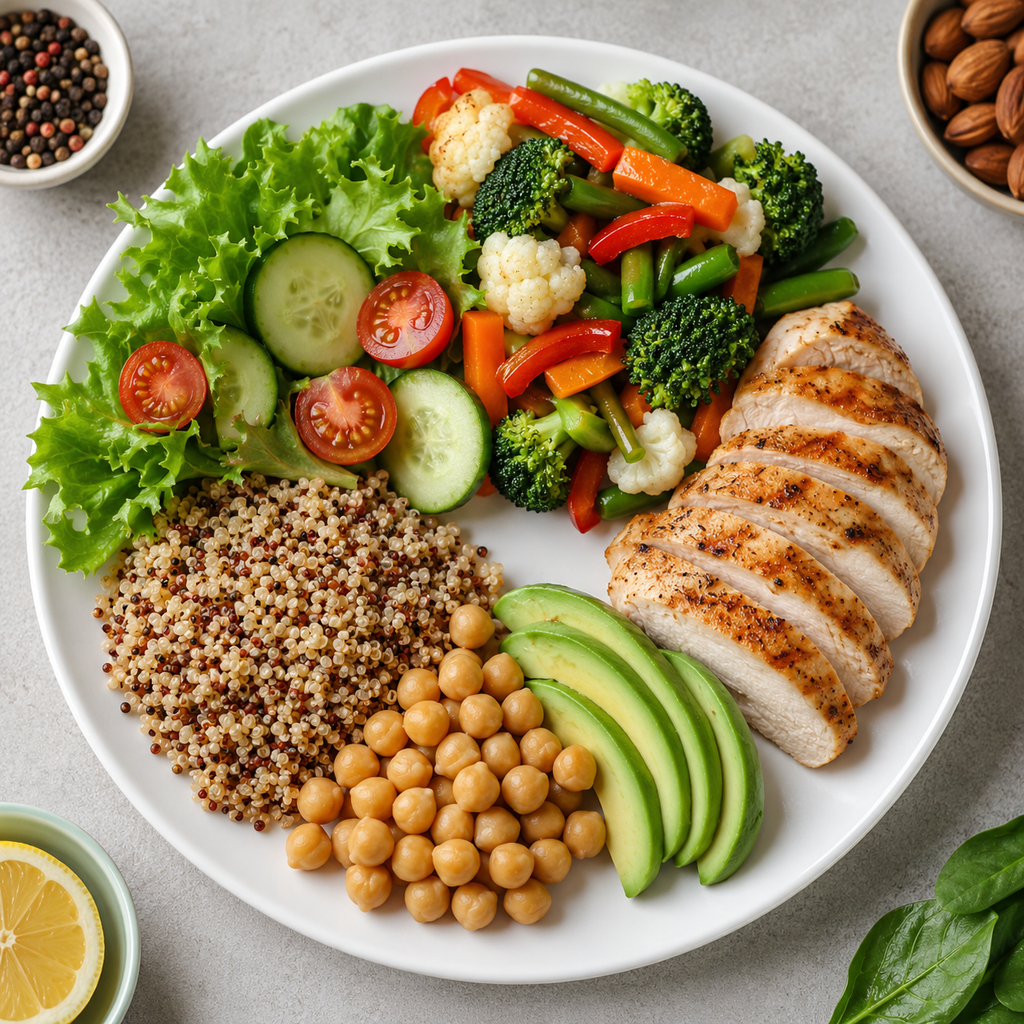
To safeguard your muscle mass, aim to anchor every meal around lean, high-density protein sources.
- Lean Animal Proteins: Chicken breast, turkey, egg whites, and white fish offer high bioavailability with lower caloric density.
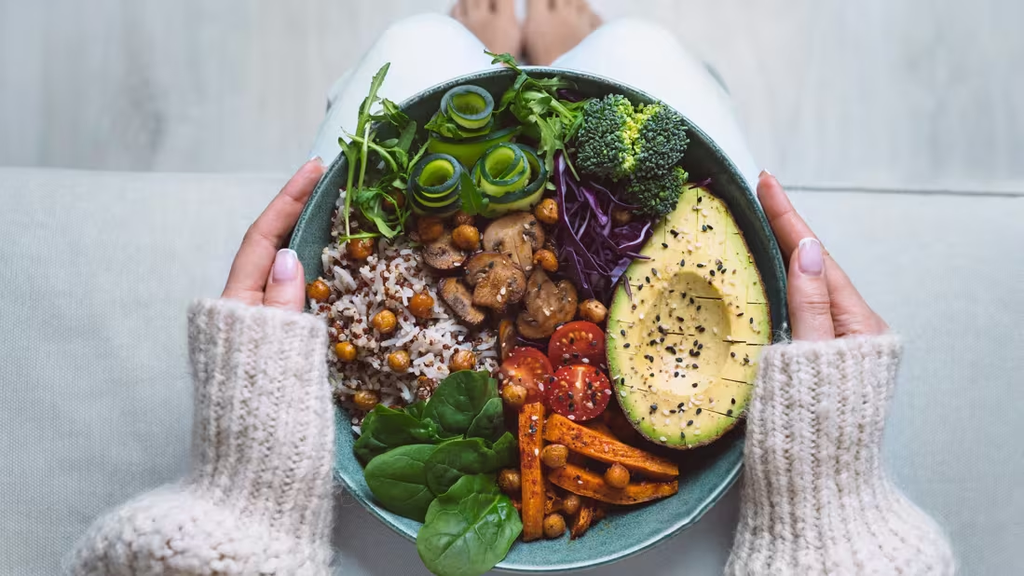
- Plant-Based Powerhouses: Tofu, lentils, edamame, and chickpeas provide both essential amino acids and complex carbohydrates.
- Targeted Supplementation: Whey or plant protein powders can help meet daily protein targets when appetite levels are exceptionally low.
2. Embrace “Fibremaxxing” for Microbiome and Gut Health
Reduced appetite often leads to a significant decrease in overall food volume, which can slow digestion and compromise gut motility. Focusing on fiber-dense nutrition supports smooth digestive transit, balances blood sugar levels, and nourishes beneficial gut bacteria.
Incorporating soluble and insoluble fiber into smaller meals ensures sustained satiety and digestive comfort. To learn more about how dietary fiber influences systemic metabolic wellness, authoritative medical guides like the Harvard T.H. Chan School of Public Health provide detailed clinical breakdowns on fiber science.
3. Focus on Nutrient Density Over Caloric Volume
When eating capacity is limited, every bite must deliver maximum nutritional value. Empty calories from refined sugars and heavily processed foods take up valuable stomach space without providing essential vitamins or minerals.
- Incorporate Leafy Greens: Spinach, kale, and Swiss chard offer rich micronutrient profiles with minimal volume.
- Choose Antioxidant-Rich Fruits: Blueberries, raspberries, and blackberries support cognitive health and combat oxidative stress.
- Select Healthy Fats: Avocados, extra virgin olive oil, and chia seeds deliver essential fatty acids vital for hormone regulation.
4. Stay Proactively Hydrated with Electrolytes GLP-1 Diet Strategy
GLP-1 medications often dull thirst cues alongside hunger signals. Dehydration can exacerbate common side effects such as nausea, headaches, and fatigue.
Drinking water consistently throughout the day—rather than gulping large amounts during meals—prevents feelings of overfulness while maintaining cellular hydration. Adding essential electrolytes like sodium, potassium, and magnesium helps maintain proper fluid balance, especially during exercise or warmer weather.
5. Implement Resistance Training to Protect Bone and Muscle
Dietary changes alone are only half of the wellness equation. Engaging in regular resistance training provides the mechanical stimulus required to signal your body to retain lean muscle tissue.
Combining progressive overload resistance exercises with adequate daily protein intake creates a powerful synergistic effect. For comprehensive physical activity recommendations and safety guidelines, explore the exercise frameworks published by the Mayo Clinic Healthy Living Center.
6. Eat Small, Balanced Mini-Meals
Large, heavy meals can cause prolonged gastric fullness and stomach discomfort. Transitioning to 4 to 5 smaller, nutrient-focused mini-meals distributed throughout the day allows for steady nutrient absorption without overwhelming your digestive system.
A balanced mini-meal should ideally combine a quality protein, a complex carbohydrate, and a small serving of healthy fat. For example, pairing Greek yogurt with berries and a sprinkle of flaxseeds delivers a ideal balance of protein, fiber, and healthy fats.
7. Monitor Micronutrient Levels Regularly
Drastic shifts in eating patterns can sometimes lead to silent deficiencies in key vitamins and minerals, including Vitamin B12, Vitamin D, iron, and calcium. Regular blood work and consultations with a registered dietitian or healthcare provider ensure that any nutritional gaps are caught and addressed early.
Personalizing your dietary approach based on verified health metrics ensures that your weight management journey supports long-term vitality, metabolic resilience, and longevity.
Final Thoughts
Adopting a targeted GLP-1 diet strategy transforms weight management from a short-term routine into a sustainable, lifelong health foundation. By prioritizing protein, nurturing your gut microbiome with fiber, staying hydrated, and supporting your body with strength training, you can achieve optimal metabolic health while preserving your strength and vitality!.