
Observing Flags Meaning and What They Represent Around the World
Flags serve as primary symbols for nations, organizations, and historical movements across the globe. Understanding the observing flags meaning requires looking beyond simple fabric designs to analyze color choices, geometric shapes, and historical origins. Vexillology, the scholarly study of flags, provides framework rules for interpreting how flag designs convey identity, sovereignty, and shared cultural history.
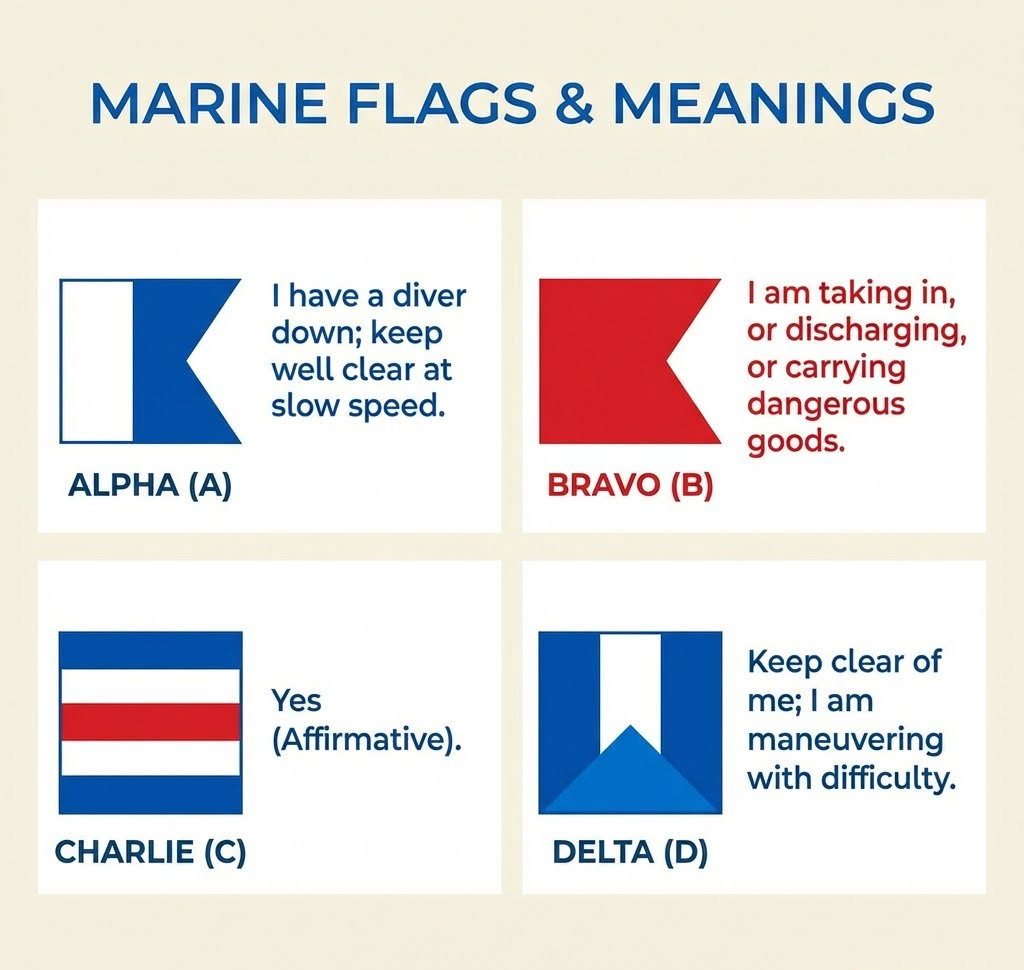
The Historical Origin and Purpose of Flags
Historically, flags originated as battlefield signals used by military commanders to direct movements and maintain unit cohesion. Early banners featured simple geometric patterns and high-contrast colors to ensure visibility across long distances. Over centuries, these tactical banners evolved into official national emblems representing state sovereignty and international diplomacy.
Today, flags serve several key roles in public life:
- National Identity: Unifying citizens under a single recognized emblem.
- Maritime Navigation: Communicating vessel ownership, country of origin, and safety conditions at sea.
- Diplomatic Recognition: Displaying official state presence at global summits and embassy locations.
Understanding Flag Colors and Symbolic Patterns
A core element in studying observing flags meaning is the intentional use of color and geometry. Specific colors often carry standardized meanings across different cultural regions:
| Color | Common Symbolic Meaning | Notable Examples |
|---|---|---|
| Red | Courage, revolution, sacrifice, and bloodshed for independence. | Canada, China, Japan |
| Blue | Freedom, peace, vigilance, and vast skies or oceans. | United States, France, Greece |
| Green | Agriculture, lush landscapes, hope, and religious heritage. | Brazil, Ireland, Saudi Arabia |
| Yellow / Gold | Mineral wealth, sunshine, and bright futures. | Colombia, Ukraine, Spain |
| White | Peace, purity, and diplomatic neutrality. | Finland, South Korea |
Common Symbols and Geometric Layouts
In addition to color, specific geometric layouts communicate historical connections between nations:
- Tricolor Layouts: Vertical or horizontal bands (such as the French or Italian flags) typically represent ideals of liberty, equality, and unity established during national revolutions.
- The Union Jack / Canton: Flags featuring a smaller flag design in the top-left corner reflect historical colonial connections or commonwealth memberships.
- Celestial Bodies: Stars, crescents, and suns frequently represent guidance, national unity, or regional geography.
Etiquette for Displaying and Observing Flags
Respecting flag etiquette is a standard practice across government buildings and international venues. Official protocols dictate that flags should be raised briskly and lowered ceremoniously. When flown alongside other national banners, flags are displayed at equal height to symbolize mutual sovereignty and respect among nations.
Understanding observing flags meaning allows viewers to recognize the deep historical narratives, cultural values, and political journeys embedded within every national symbol worldwide. TIMESFAME